A practical guide for GCC procurement teams buying inflatable aircraft decoys: requirements, specifications, supplier questions and how to evaluate offers.
Inside the design, manufacture and testing of inflatable aircraft decoys, and what GCC buyers should ask a manufacturer about quality and certification.
How decoy aircraft make training more realistic for air-defence crews, ISR analysts, drone operators and airbase ground crews, without grounding real aircraft.
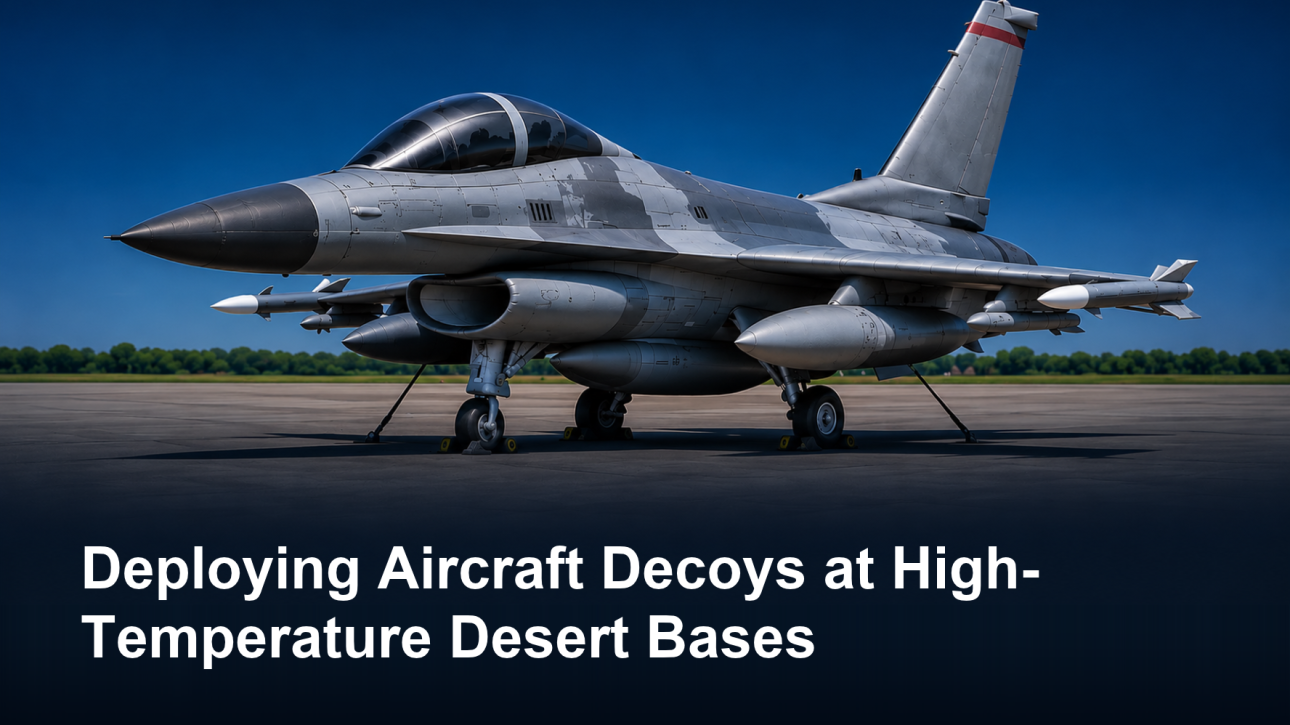
Practical guidance for deploying military aircraft decoys at hot desert airbases in the GCC: heat, sun, sand, wind, altitude, coastal sites and maintenance.
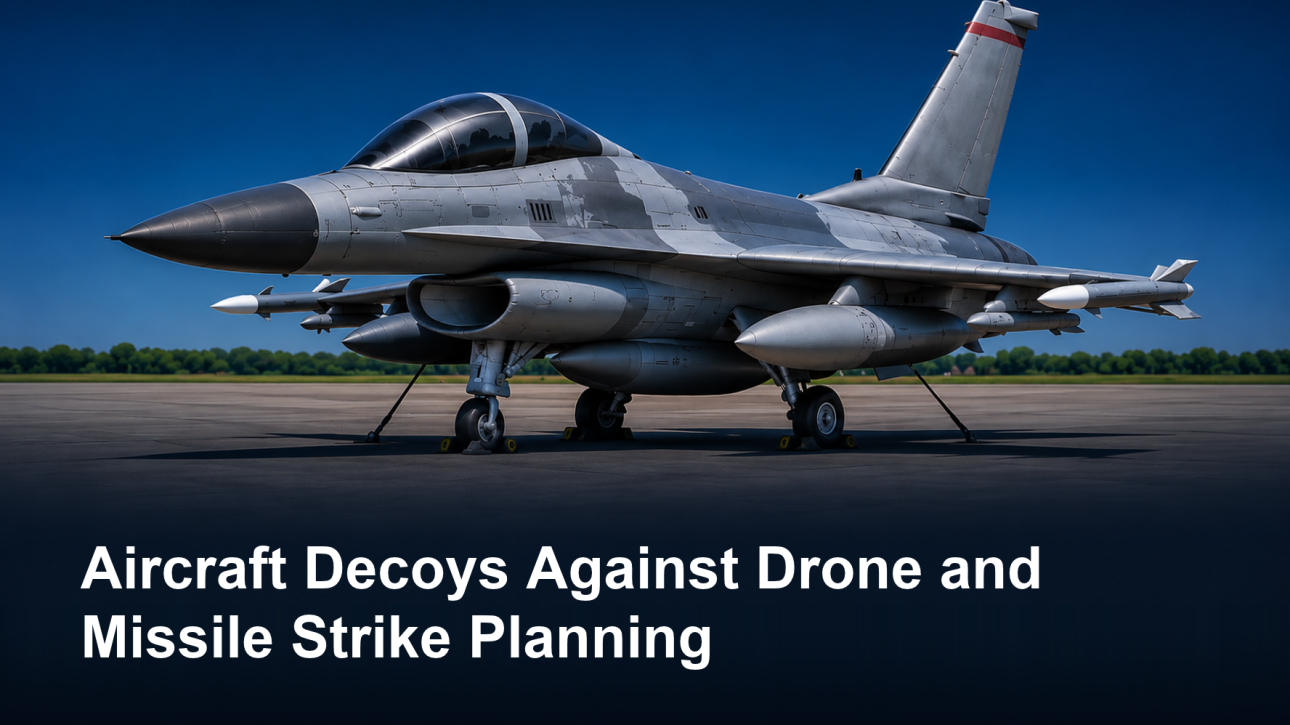
How aircraft decoys complicate drone and missile strike planning against airbases, and why GCC air forces should add deception to their air defence layers.
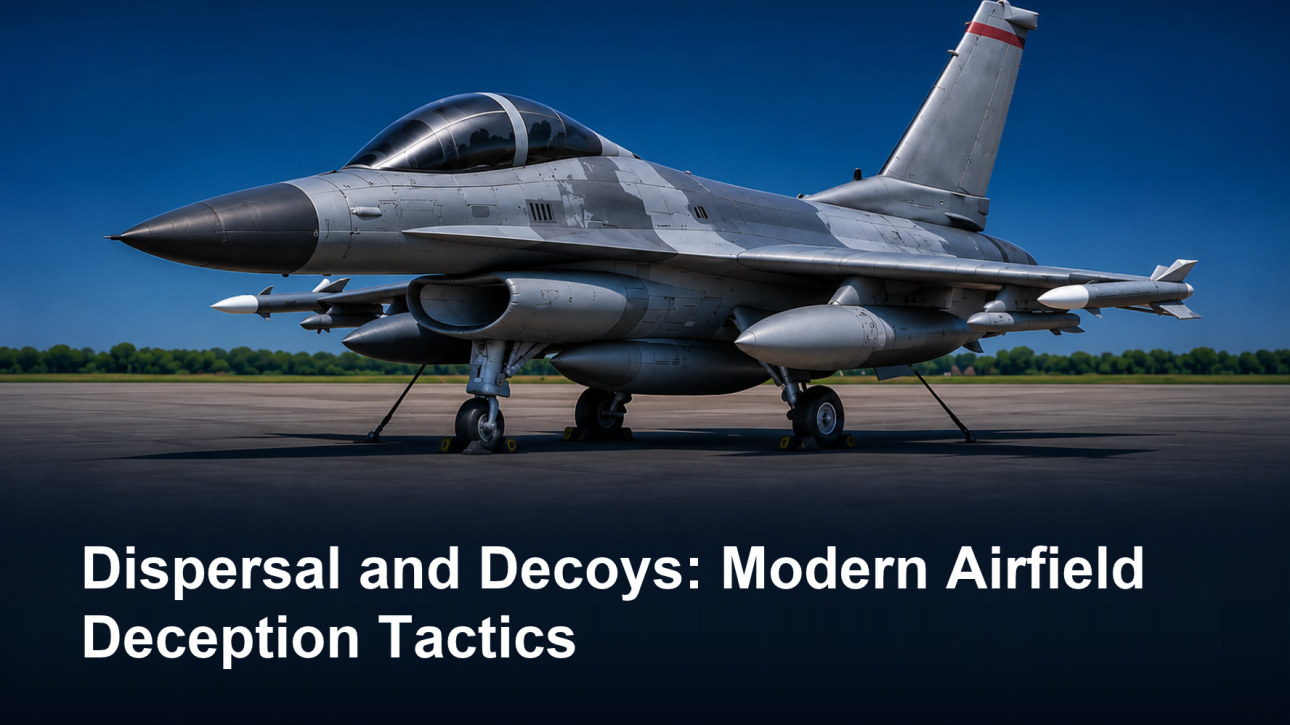
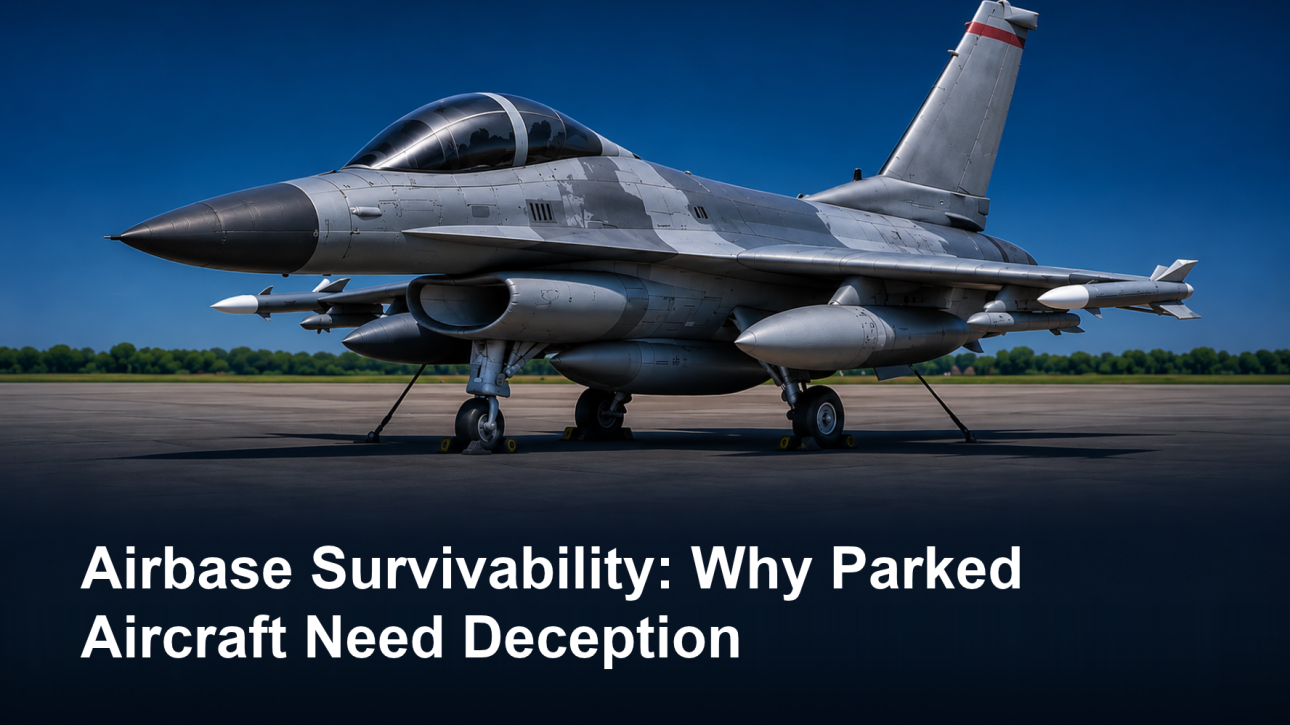
Why airbase protection decoys are key to airbase survivability, how deception complements air defence and shelters, and what GCC air forces should consider.
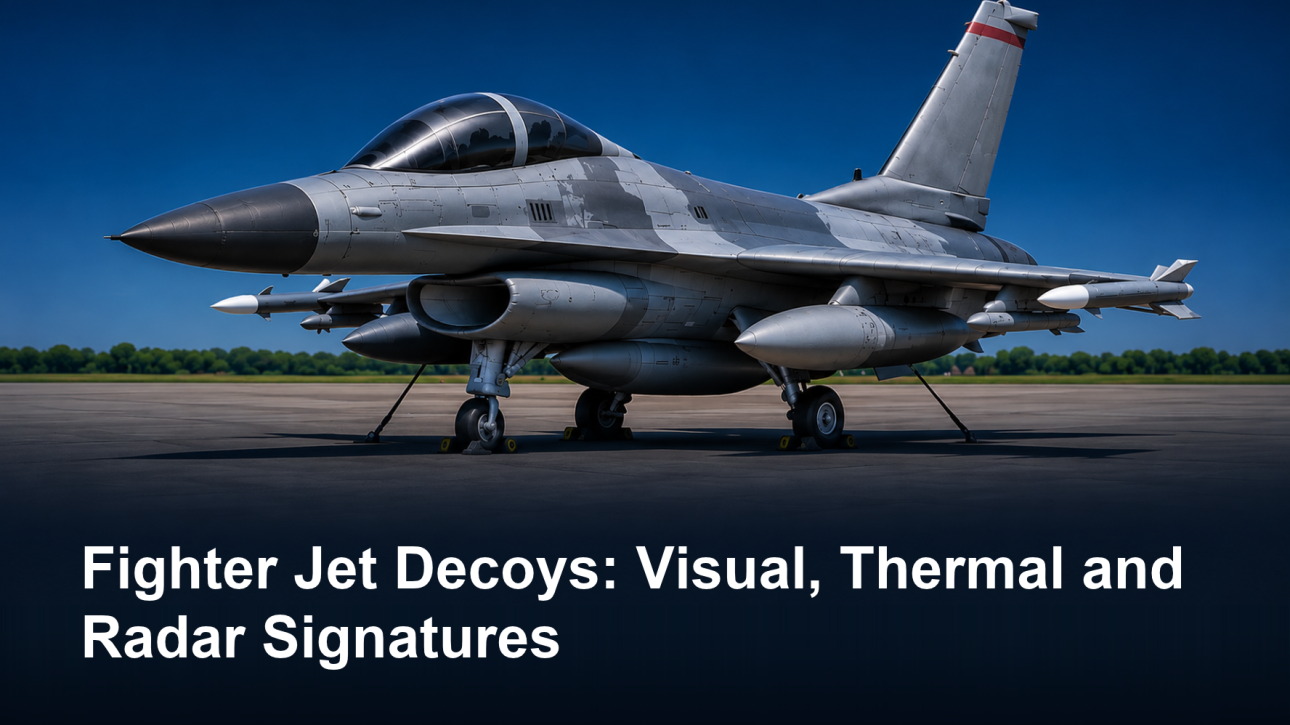
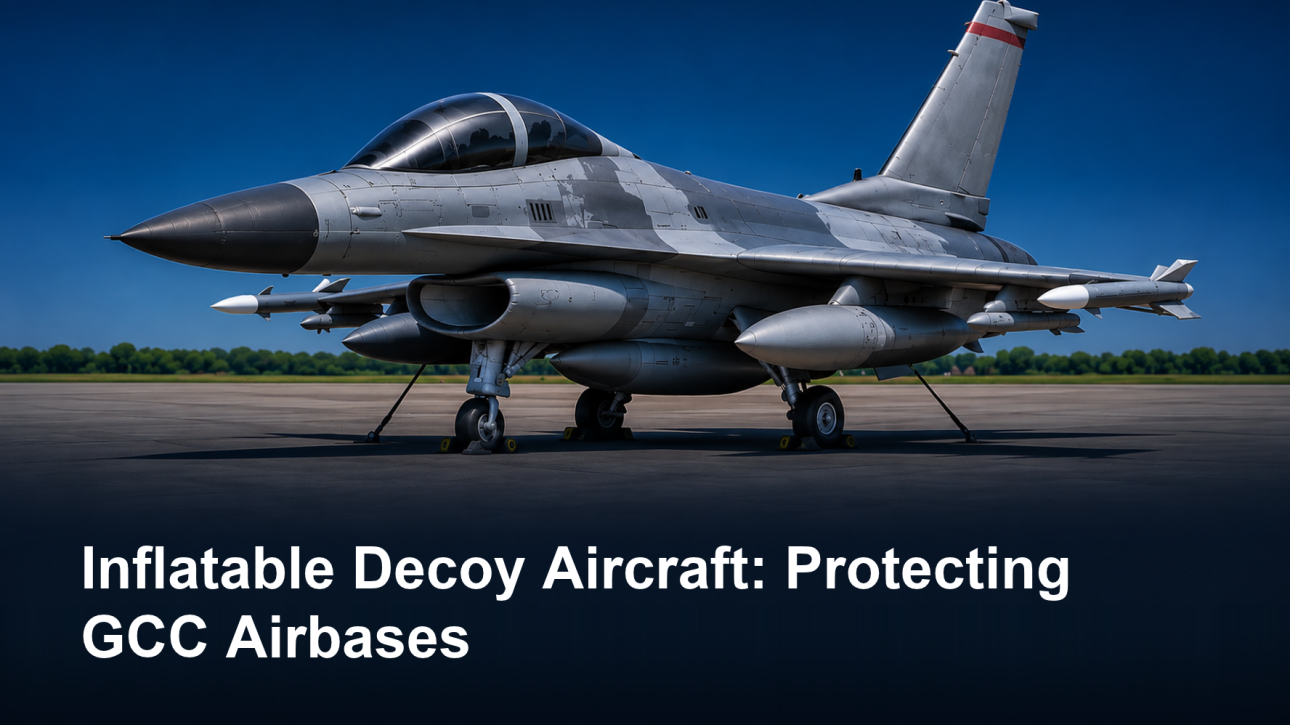
How inflatable decoy aircraft protect GCC airbases: visual, thermal and radar signatures, CID and IID variants, desert performance and what buyers should know.
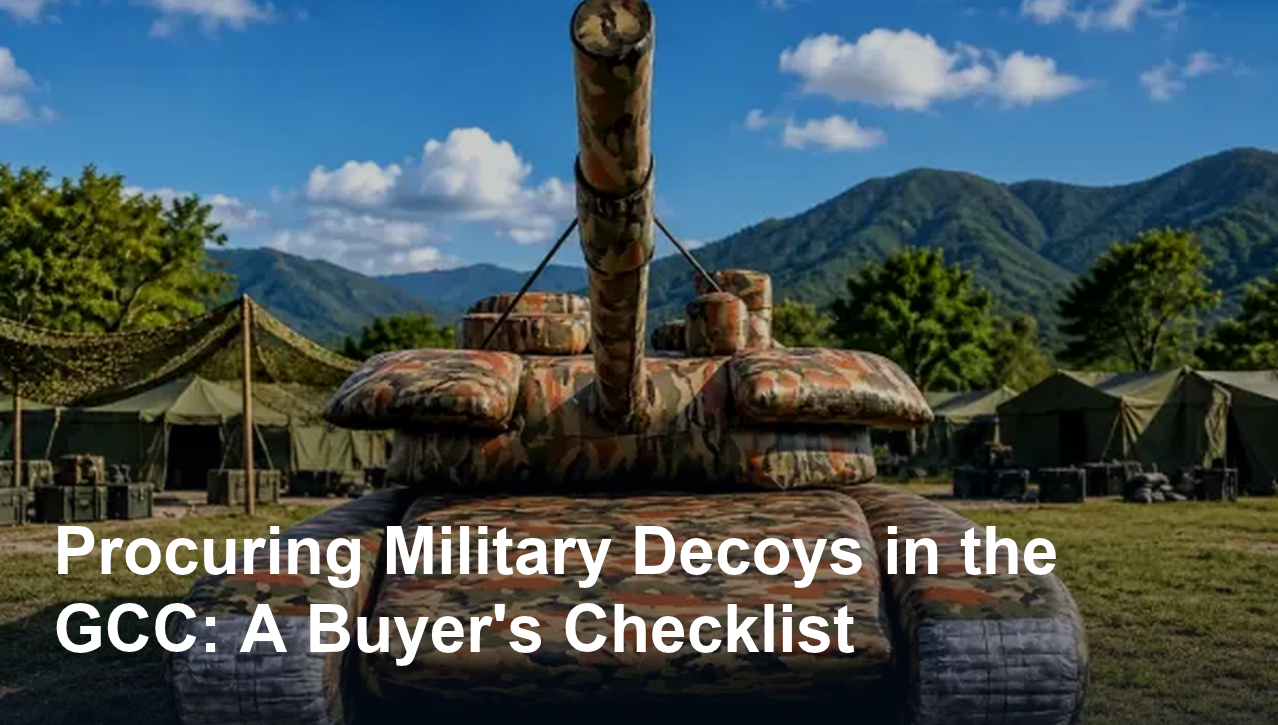
A buyer’s checklist for GCC defence procurement teams sourcing inflatable military decoys: what to specify, questions for suppliers and how to evaluate offers.