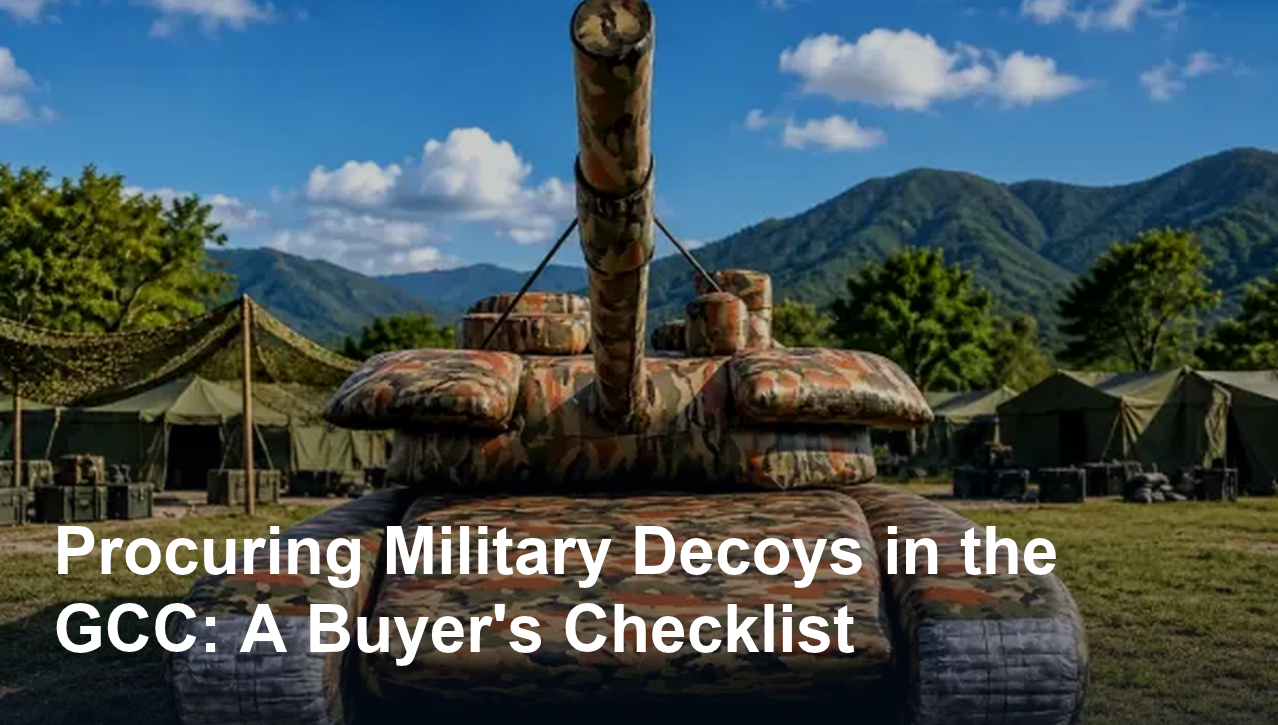
A buyer’s checklist for GCC defence procurement teams sourcing inflatable military decoys: what to specify, questions for suppliers and how to evaluate offers.
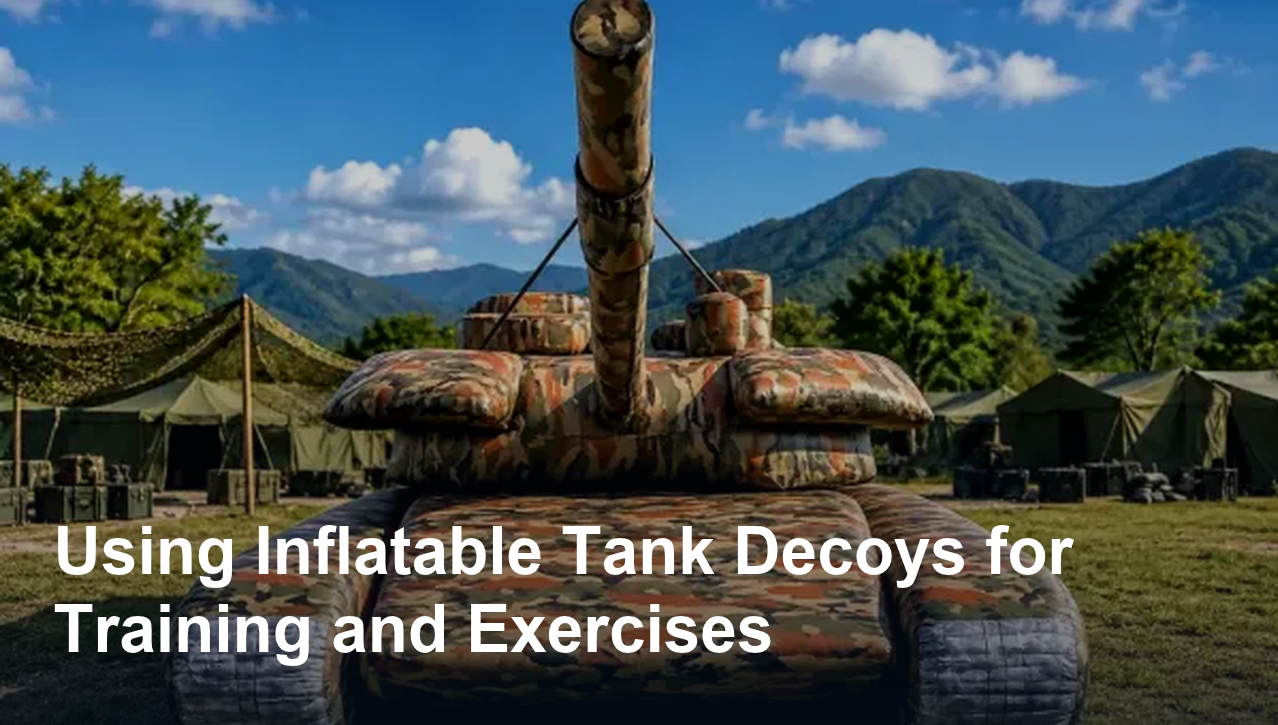
How inflatable tank decoys make military training more realistic for anti-tank crews, drone operators, ISR analysts and air units, at a fraction of the cost.
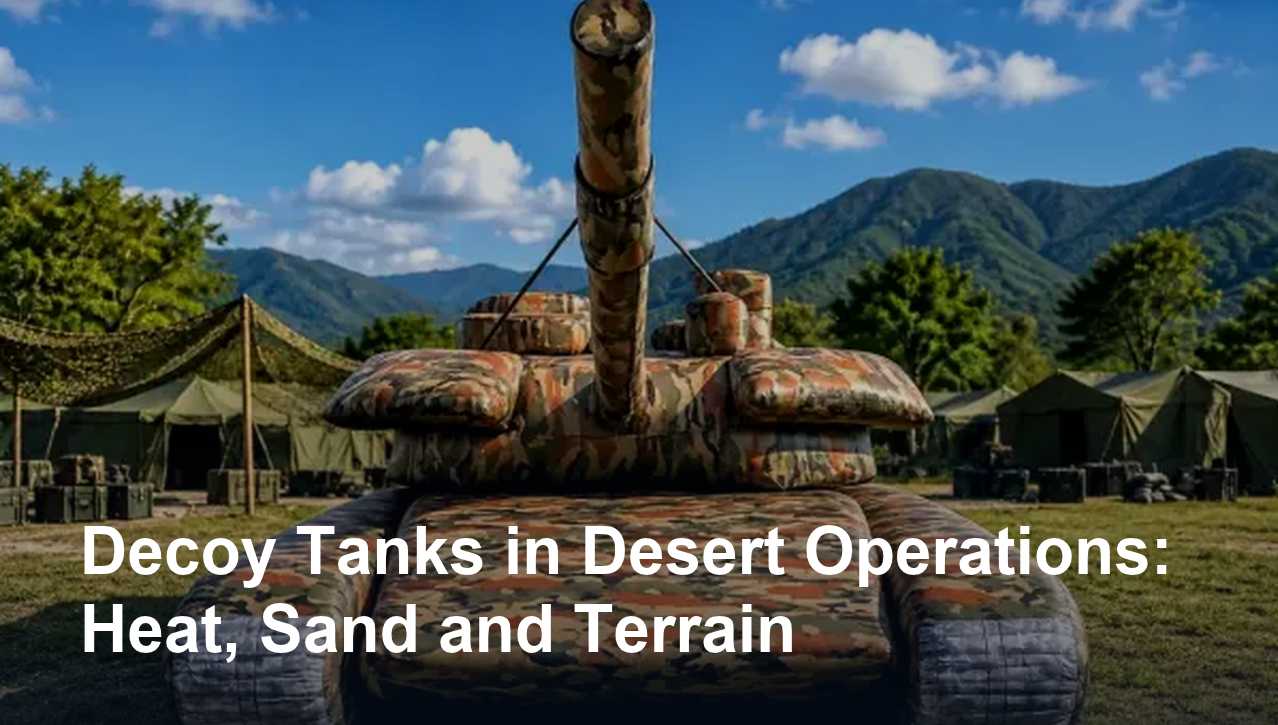
How heat, sun, sand and open terrain affect military decoys in desert operations, and practical guidance for GCC units deploying inflatable decoy tanks.
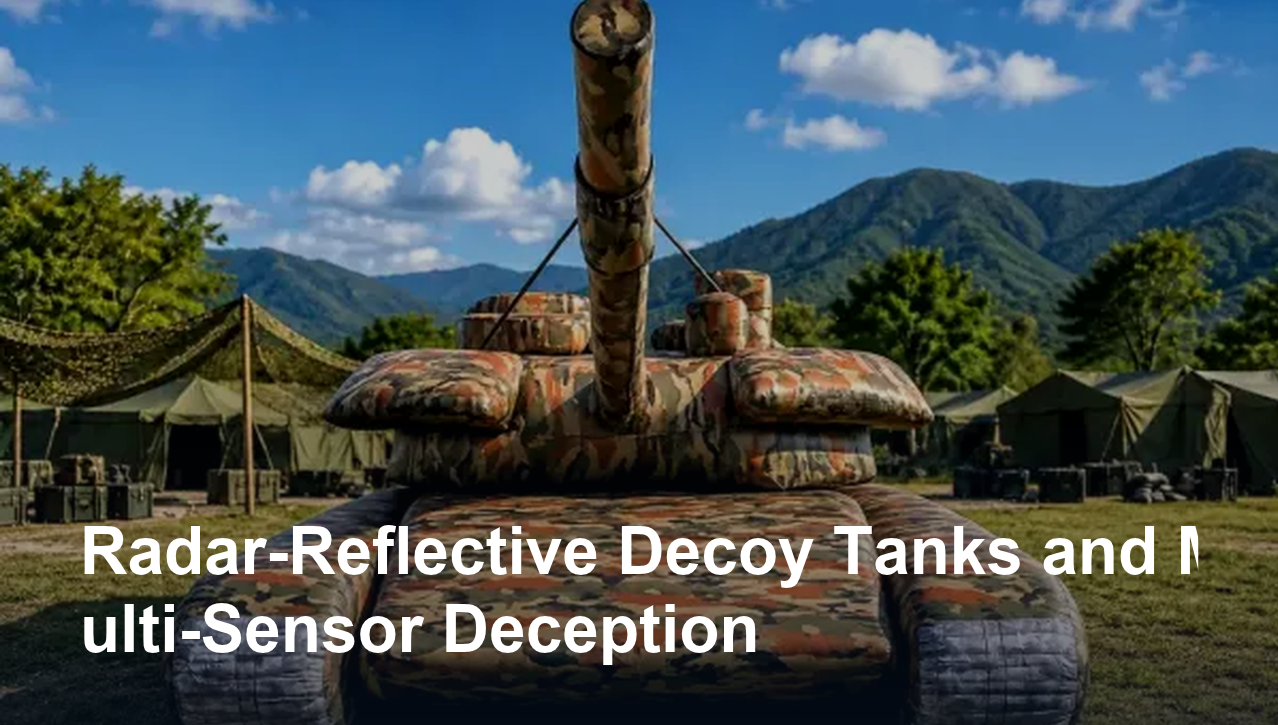
Why decoy tanks must deceive radar as well as cameras and thermal imagers, how radar decoy tanks work, and what multi-sensor deception means for GCC armies.
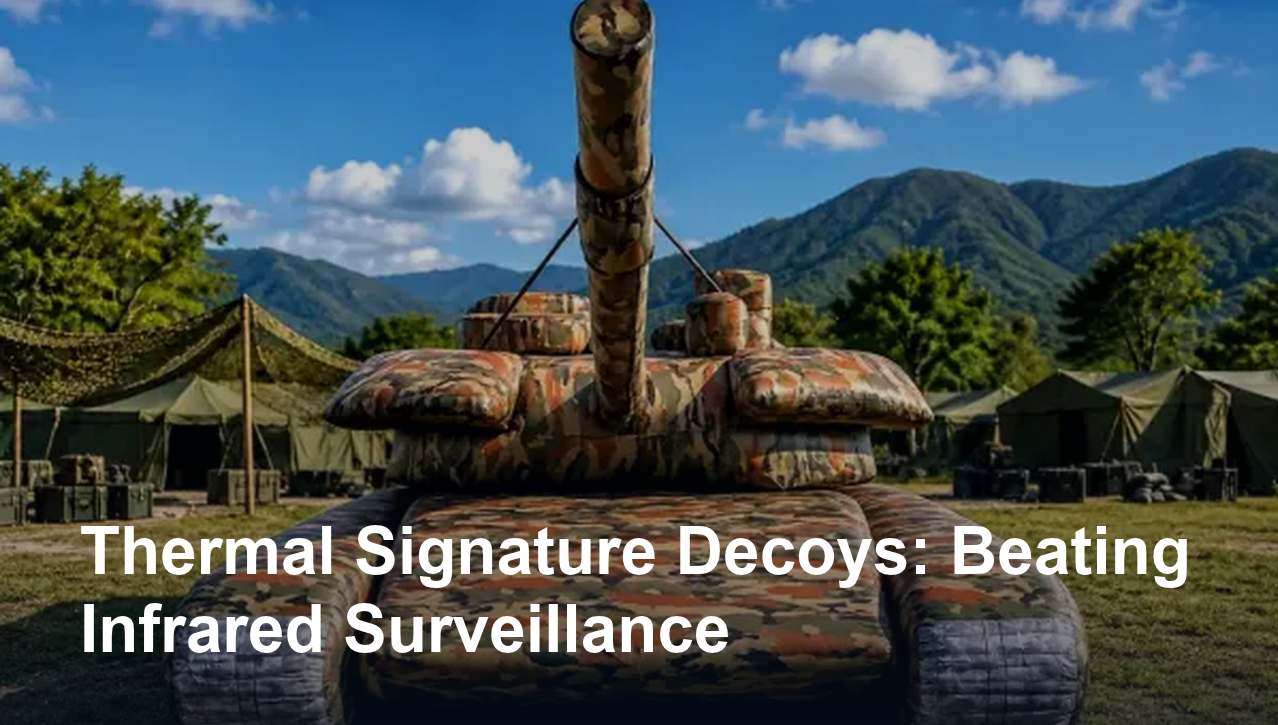
Why thermal realism decides whether a decoy tank survives infrared surveillance, and how temperature-controlled inflatable decoys help GCC forces day and night.
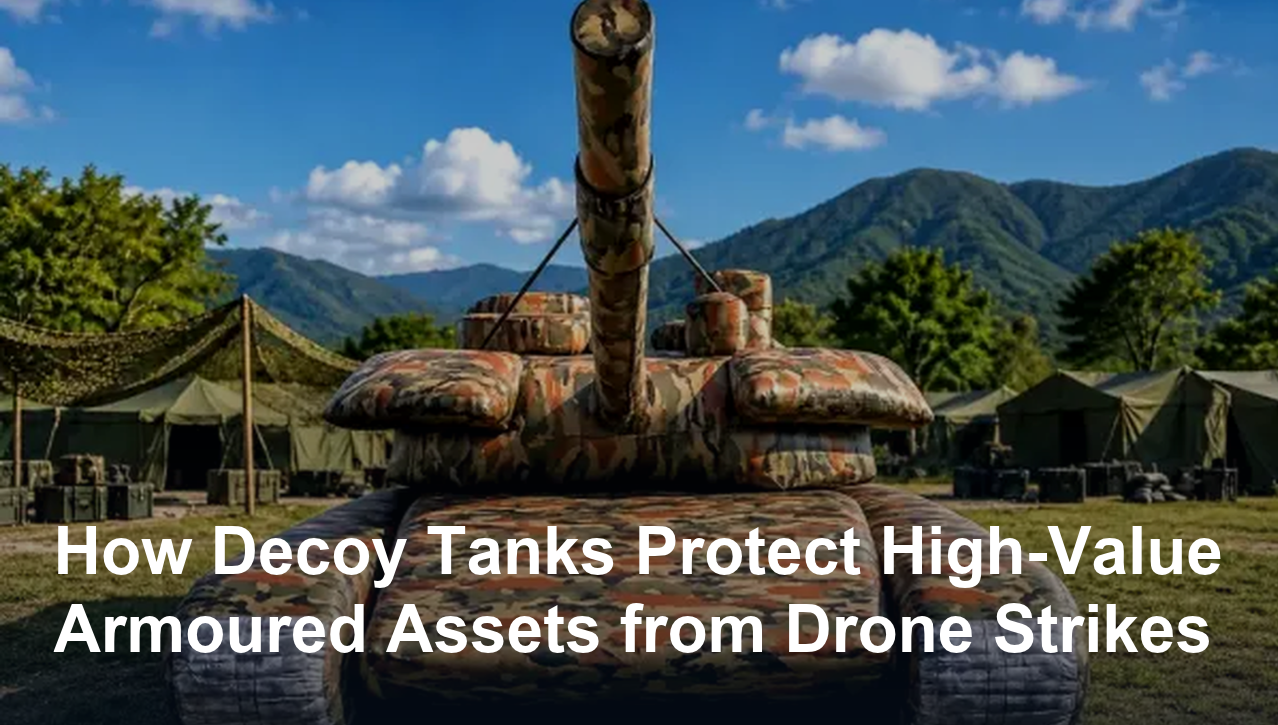
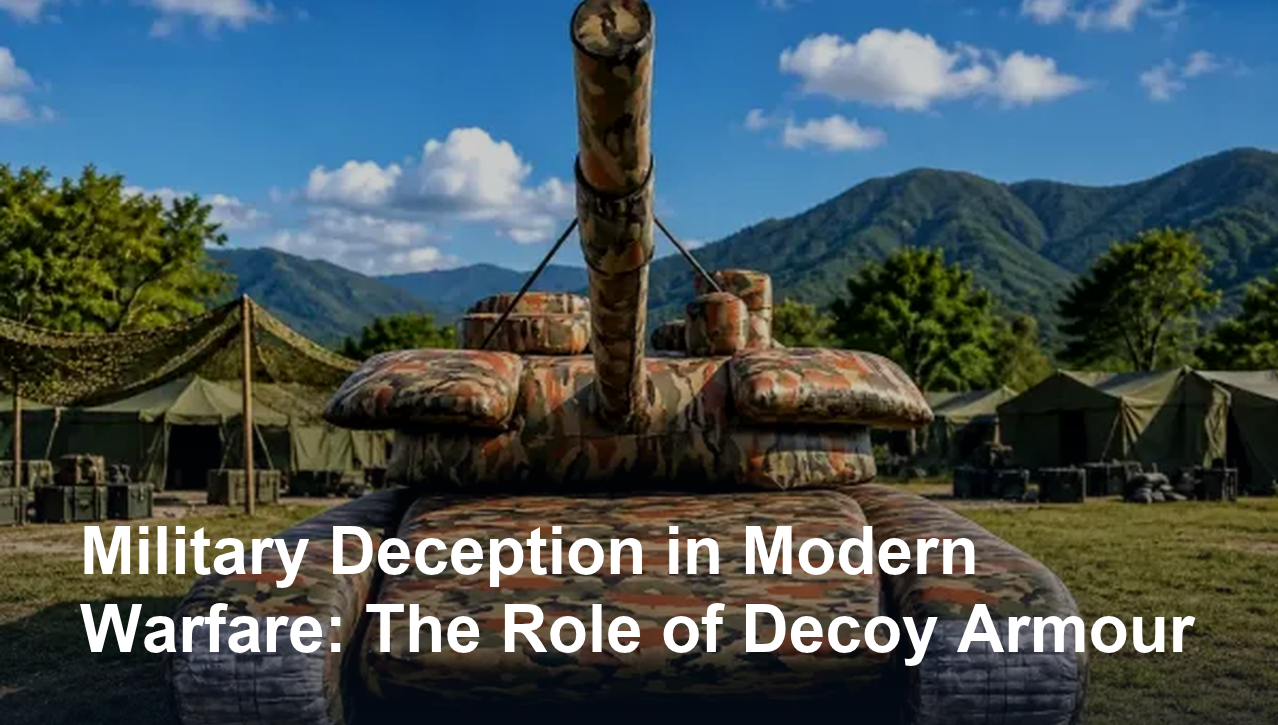
Why military deception decoys matter more than ever, how decoy armour protects real forces, and what GCC armies can learn from history and recent conflicts.
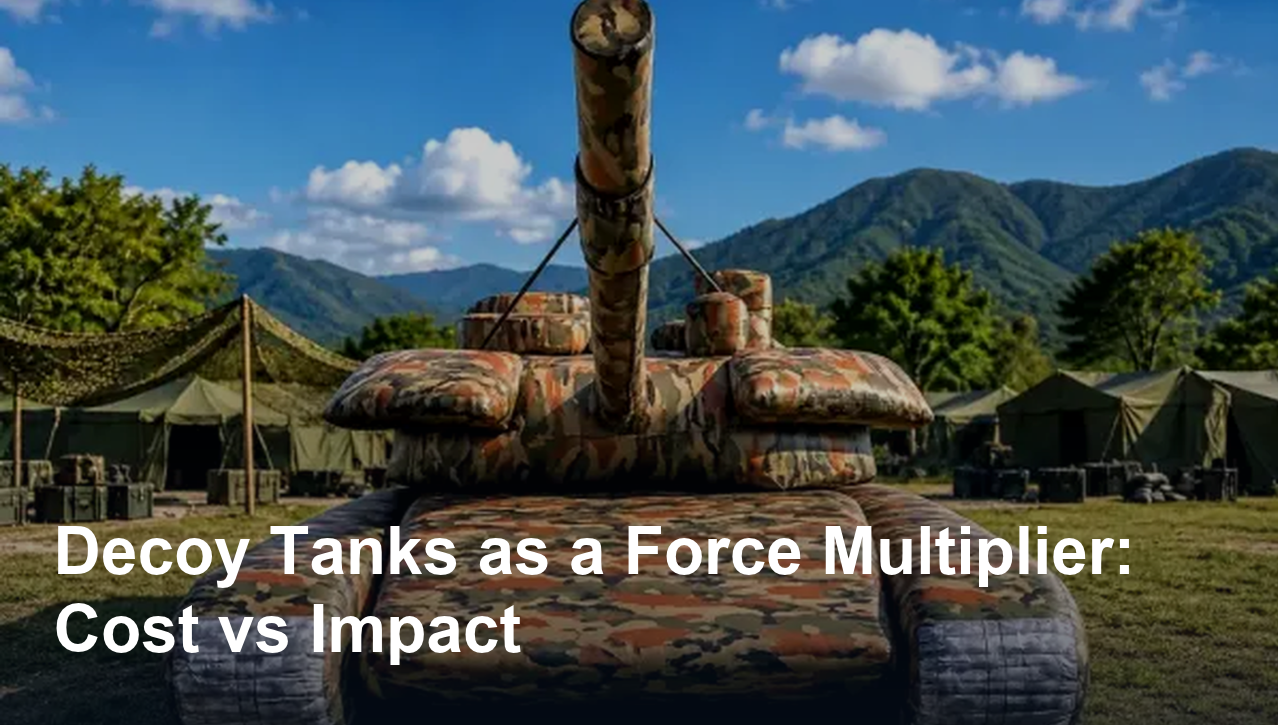
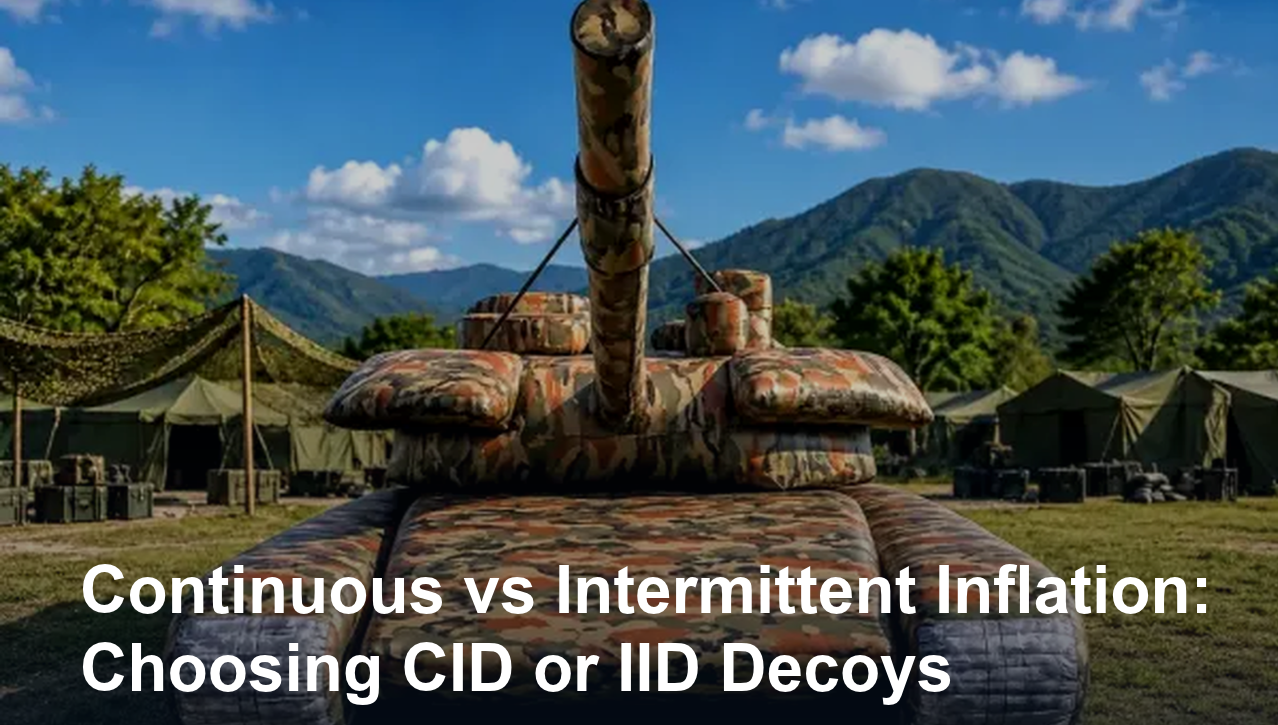
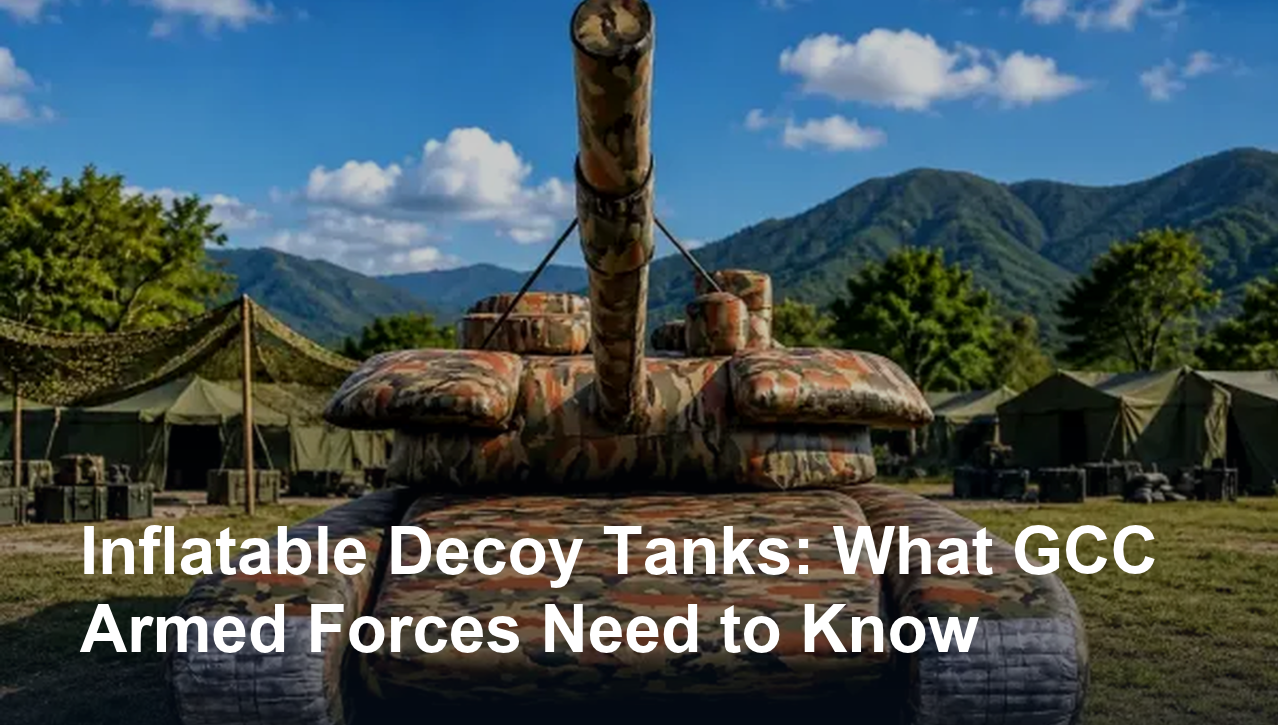
A guide to inflatable decoy tanks for GCC armed forces: how they work, visual, thermal and radar signatures, CID and IID variants, and how to buy them.