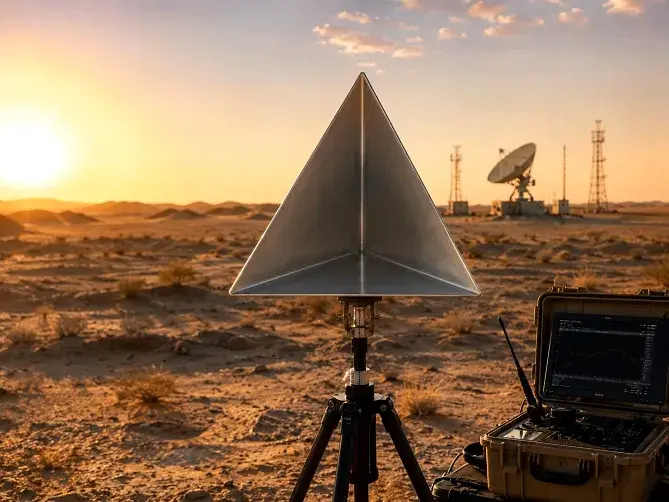
A practical buyer’s guide for GCC defence and test organisations: what to specify, what to ask suppliers and how to procure the right corner reflector.
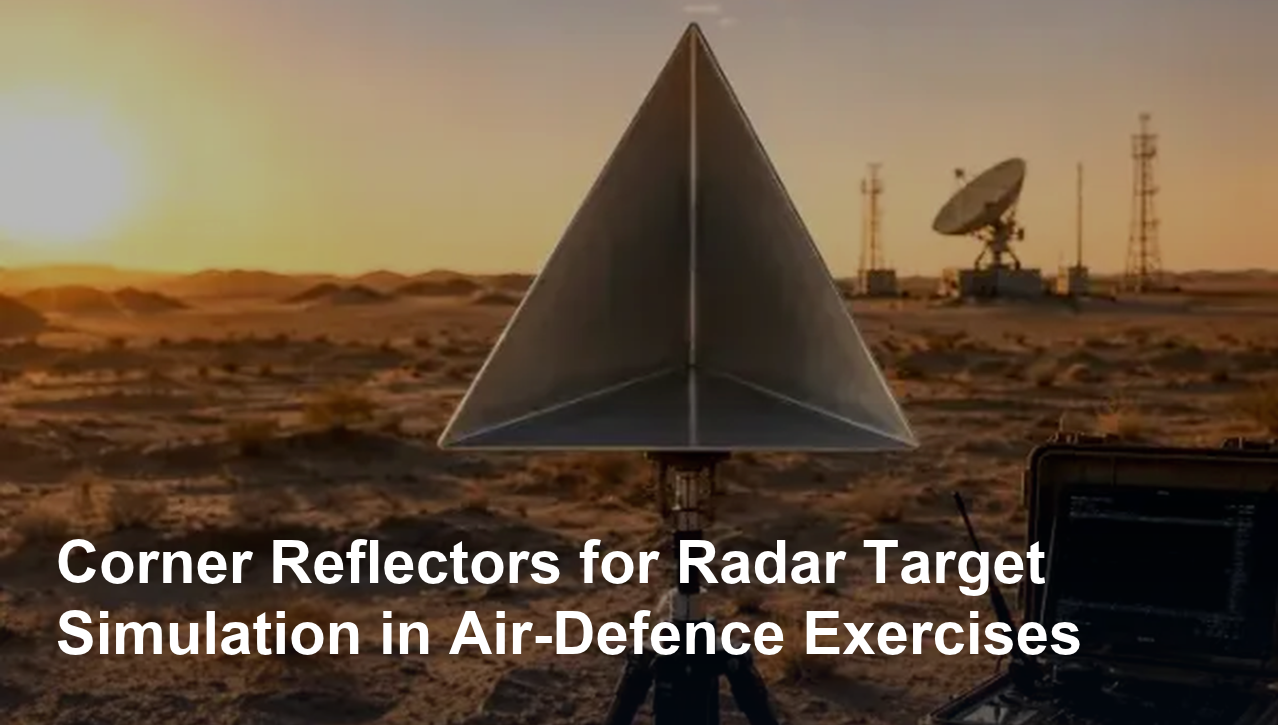
How corner reflectors act as radar decoys and strengthen inflatable decoys, and why multi-sensor deception matters for GCC forces facing ISR and drones.
How corner reflectors support naval radar calibration, coastal surveillance testing and maritime target simulation in the Gulf, Red Sea and Arabian Sea.
A practical field guide to corner reflector deployment in GCC desert conditions: site selection, mounting, heat, sand, alignment, safety and maintenance.
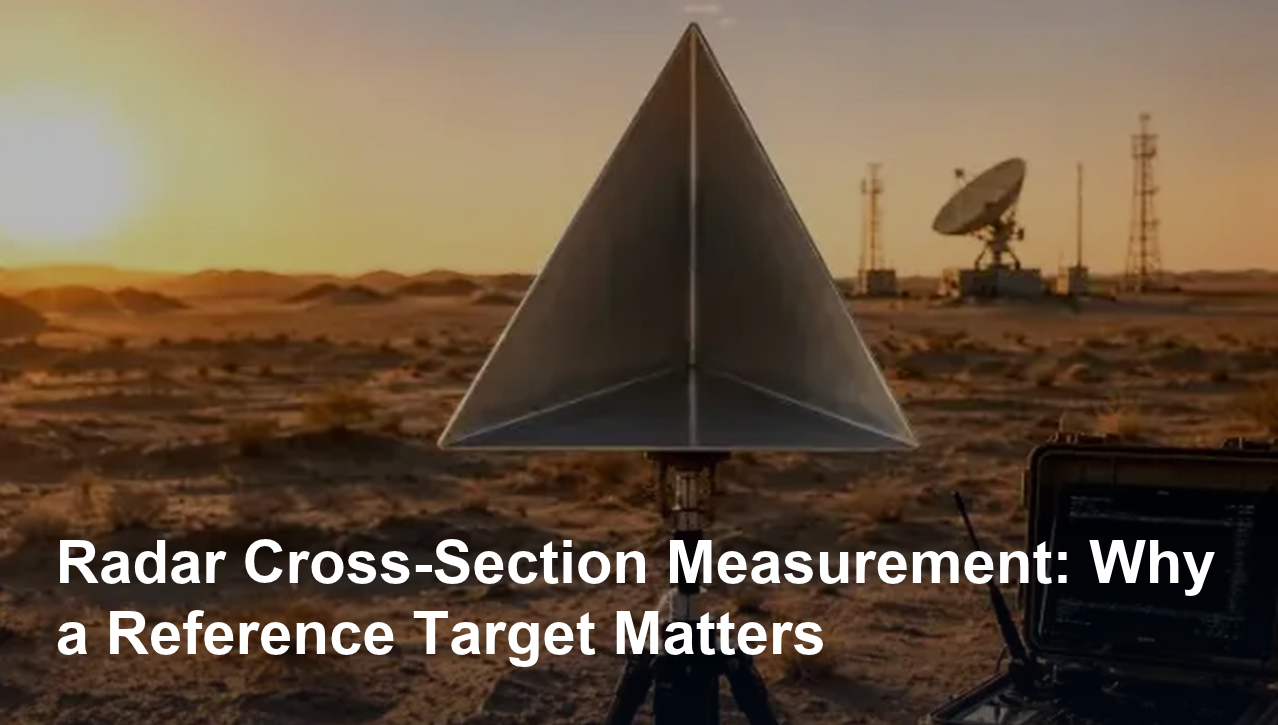
How radar cross-section measurement works, why every RCS test needs a trusted reference target, and how corner reflectors support signature testing in the GCC.
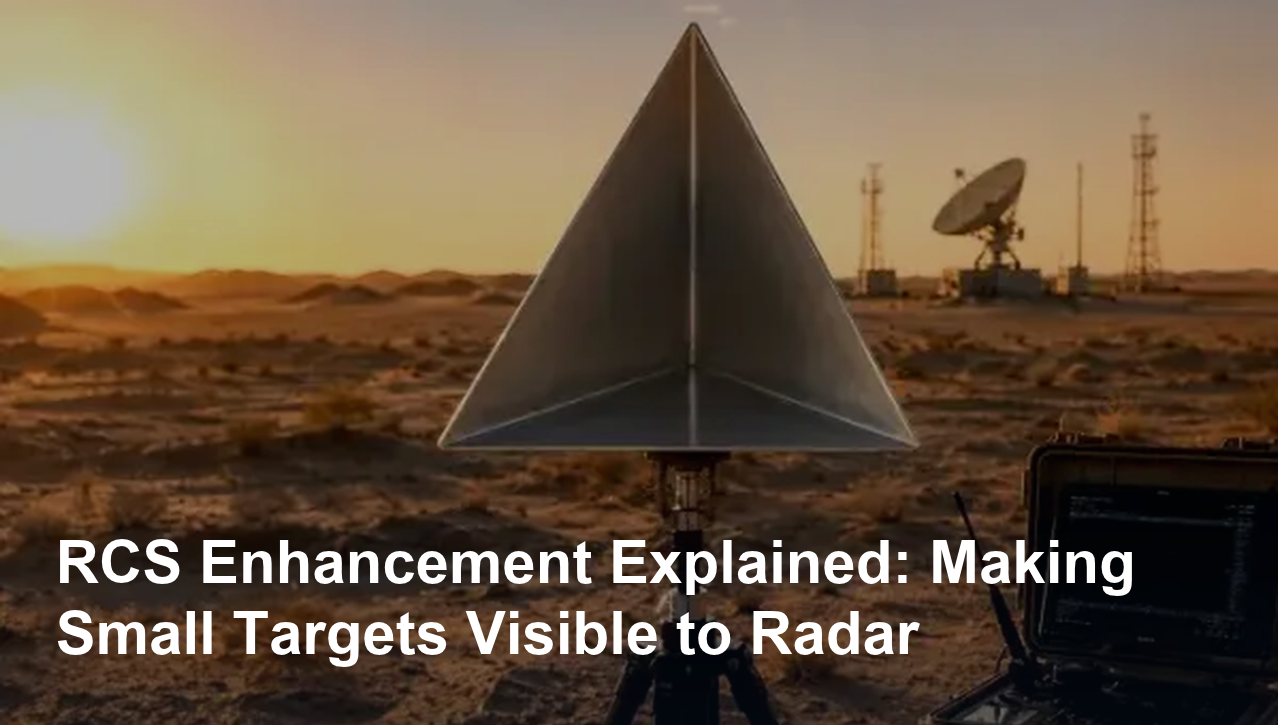
What RCS enhancement is, why small boats, target drones and decoys need it, and how corner reflectors raise radar signature for GCC defence and maritime users.
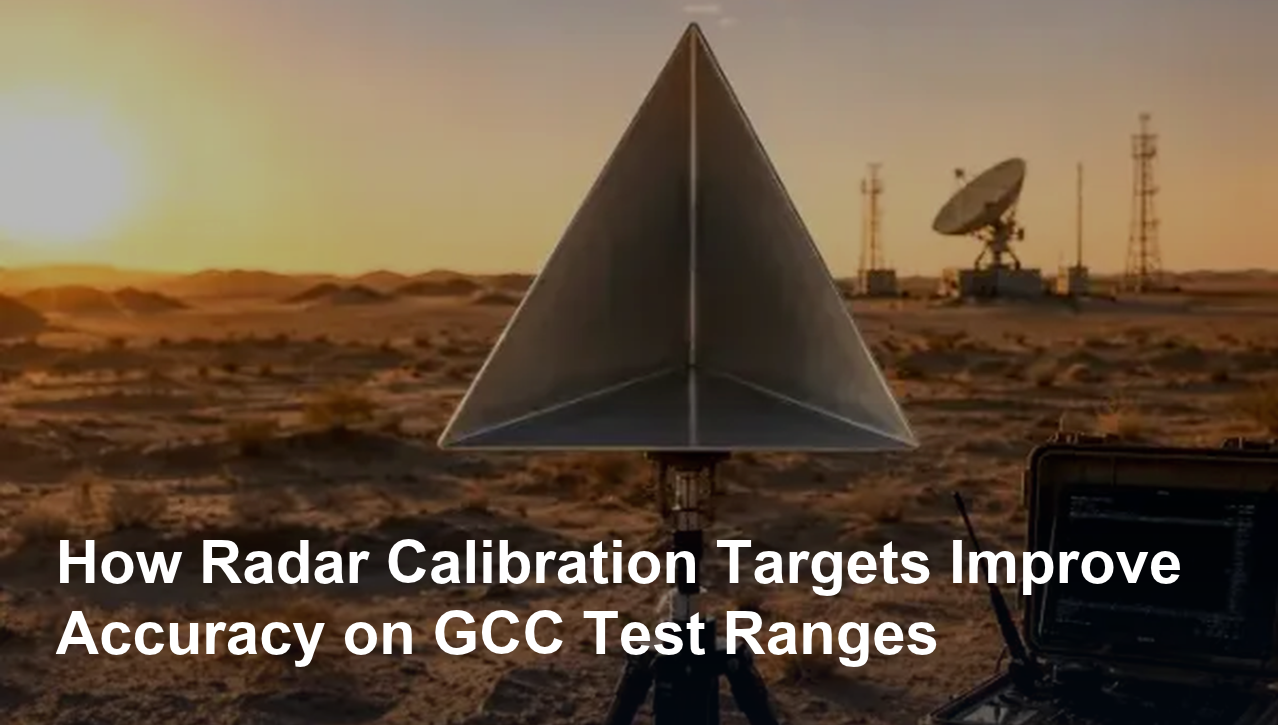
Why a passive radar calibration target is essential for radar acceptance, alignment and maintenance in the GCC, and how to build a reliable calibration routine.